A ChatterBait might be one of the most effective and versatile bass lures you can…
You don’t have to drive far in the Twin Cities Metro, MN Area to find excellent kayak bass fishing
Looking for the best bass lakes in the Minnesota metro area? This guide lists many lakes that offer healthy largemouth bass populations, quality habitat and convenient public access. For kayak anglers, choosing the right lake involves more than simply finding bass. Power boat traffic, wind exposure, launch conditions and the distance between productive areas are things to consider that will determine your experience. The best metro bass lakes for kayak fishing combine good fishing with water that can be explored efficiently from a paddle or pedal kayak. A bonus is lakes that only allow electric motors, eliminating huge wakes caused by large powerboats.
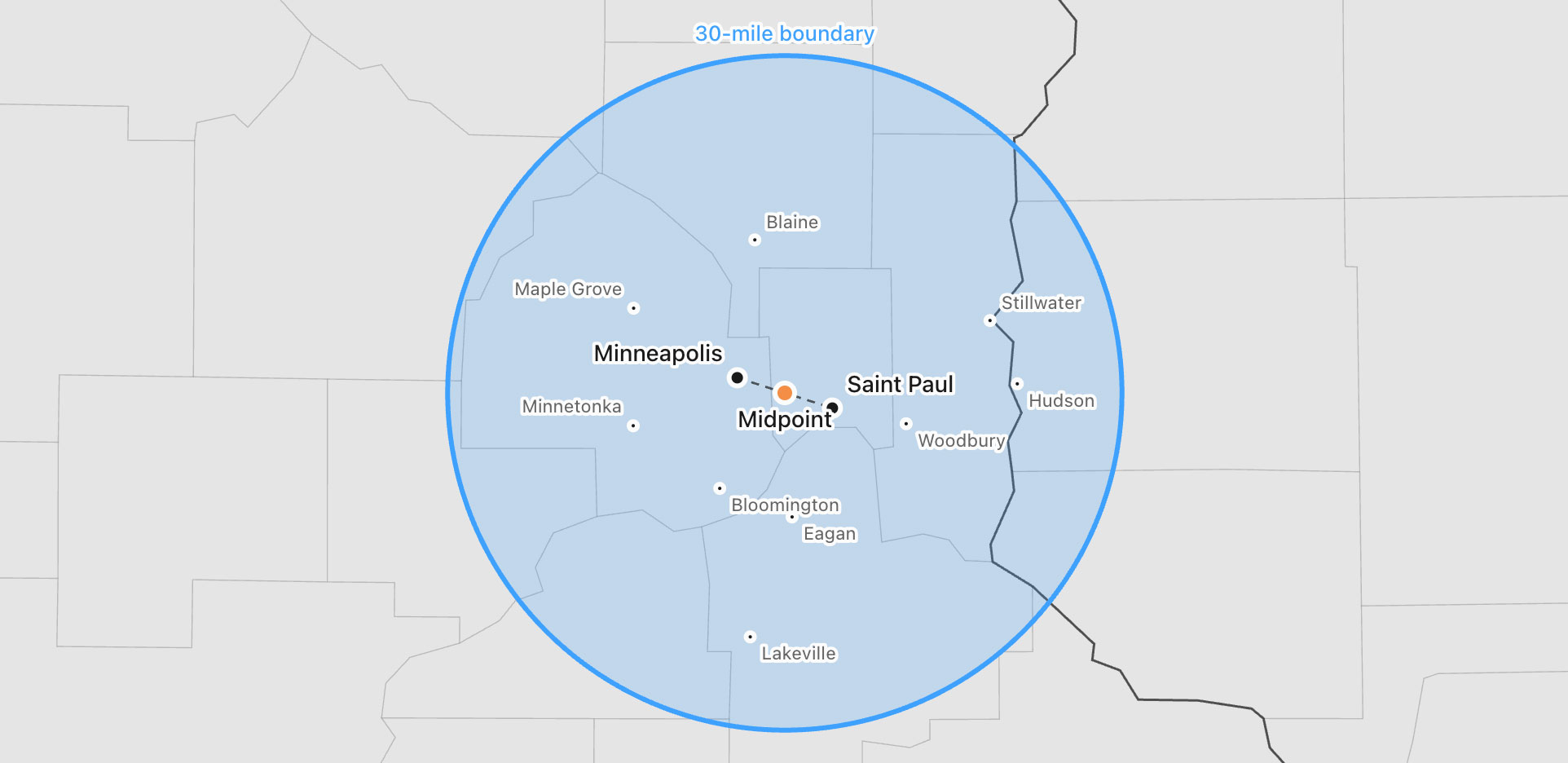
How I came up with this list. I determined a point midway between Minneapolis and St. Paul. 44.96378° N, 93.18012° W, is the geographic midpoint between the two city centers. The shaded area represents a 30-mile straight-line radius. The lakes for this article are in that area. They’re lakes that I have fished and had good results on. I’ll be adding more lakes as I fish them. I’ve added short videos on some of the lake sections, I’ll add more of those too.
Lake Ann
Lake Ann in Chanhassen is an excellent choice for kayak anglers who prefer smaller, more manageable water. It’s a favorite of MNKFA members. Restrictions limit boaters to electric motors only, so power boats can only use their trolling motor, which means most don’t prefer to fish there. At approximately 119 acres, the lake is easy to explore without having to go long distances, while its maximum depth of about 40 feet provides both shallow and deep-water bass habitat.
Lake Ann’s relatively clean water can make the bass more cautious, especially during bright, calm conditions. Early mornings, cloudy days and periods of wind are often the best times to fish moving baits. When conditions become difficult, slow down with finesse presentations around vegetation and deeper structure.
As a bonus, there is a somewhat hidden channel that connects Lake Ann to Lake Lucy. Lucy has no public launches, so it tends to get even less pressure than Ann. You get access to two lakes that are perfect for kayak anglers, WOOHOO!
Best areas to fish
- Inside weed edges during spring and early summer
- Outside weedlines during summer
- Shaded shoreline cover
- Points and underwater turns
- Isolated patches of healthy vegetation
Kayak-fishing considerations
Lake Ann Park provides a small public boat ramp with limited spots. Its compact size makes Lake Ann especially attractive when strong winds make larger metro lakes uncomfortable or when you only have a few hours to fish.
Because the water can be clear, maintain some distance from your target and make longer casts. Natural-colored stick worms, finesse jigs, Ned rigs and weedless swimbaits are good choices. Topwater lures can also be effective during low-light periods.
Largemouth bass fishing on Lake Ann is catch-and-release only, so every bass must be returned to the water immediately. Handle fish carefully and have your camera and measuring equipment ready before lifting the fish from the water. Minnesota DNR: West Metro special regulations
Best for: Kayak anglers seeking smaller water, clean-water bass fishing and a quieter alternative to the metro’s large recreational lakes.
Steiger Lake
Steiger Lake in Carver County is a smaller water that offers a very different experience from the metro’s large recreational lakes. Largemouth bass and northern pike are catch-and-release only under the current special regulation. Minnesota DNR: West Metro special regulations
The lake’s smaller size makes it easier to explore thoroughly from a kayak. Vegetation, shoreline cover and subtle structural changes can all hold bass. You will need to pay to use the launch via the internet, but the facilities are top notch and the fishing is good. Another upside is that as of this writing the shoreline has little to no housing development.
Best areas to fish
- Healthy shoreline vegetation
- Inside and outside weed edges
- Isolated cover
- Shade beneath overhanging trees
- Small points and shoreline turns
- Open pockets surrounded by grass
Kayak-fishing considerations
Steiger is a good choice when wind makes larger lakes uncomfortable or when you want to avoid heavy recreational traffic. Handle bass carefully, minimize time out of the water and release every fish immediately as required.
Best for: Anglers seeking a smaller catch-and-release bass lake.
Bald Eagle Lake
Located north of White Bear Lake, Bald Eagle is an excellent east-metro option. The Minnesota DNR reports an average abundance of largemouth bass with a variety of sizes present, including some lunkers. Minnesota DNR: Bald Eagle Lake
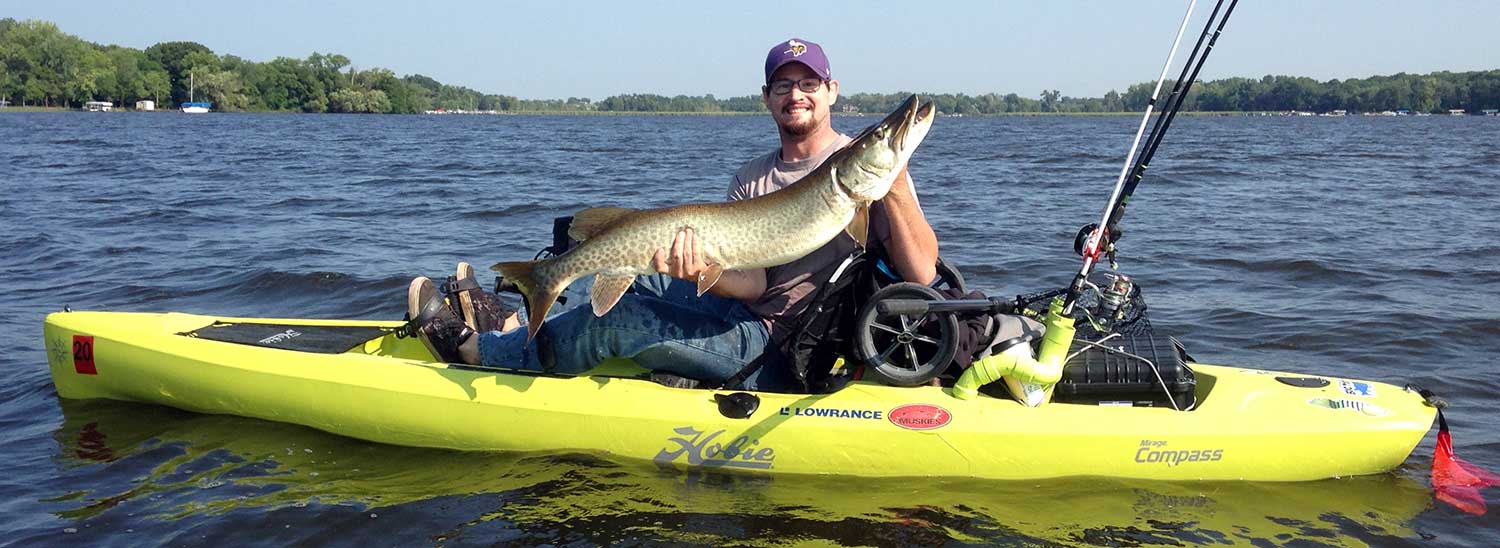
Bald Eagle has plenty of traditional largemouth habitat, including vegetation, docks and shallow cover. It also offers deeper weedlines and structure for anglers comfortable using electronics. PLUS, the lake also has some nice Pike and Musky. The Musky below was caught in the early fall on Bald Eagle.
 Best areas to fish
- Shallow vegetation during spring
- Docks with nearby weeds
- Defined outside weed edges
- Points and inside turns
- Isolated patches of healthy grass
- Remaining vegetation late in the season
Kayak-fishing considerations
The public access can become busy, particularly on weekends. Arriving early helps you avoid launch congestion and gives you time to fish shallow water before boat activity increases.
Pay attention to wind direction before leaving the access. Bald Eagle has enough open water to create difficult paddling and challenging kayak positioning when the wind rises.
Best for: East-metro anglers looking for a legitimate chance at a larger largemouth bass. I can usually get on a good bass bite on Bald Eagle Lake.
Lake Rebecca in Hastings
Lake Rebecca offers a particularly kayak-friendly environment because surface-water restrictions limit boaters to electric motors. The Minnesota DNR reports an average population of largemouth bass and notes that the entire shoreline is publicly owned. Minnesota DNR: Lake Rebecca
It may not receive the same bass-fishing attention as bigger metro area lakes like Minnetonka or Waconia, but reduced motor traffic and accessible shoreline make it an enjoyable place to explore from a kayak.
Best areas to fish
- Overhanging shoreline cover
- Shallow vegetation
- Fallen wood
- Weed edges
- Shade lines
- Subtle depth changes close to shore
Kayak-fishing considerations
The electric-motor restriction creates a slower and generally quieter boating environment. It is an excellent lake for newer kayak anglers, although wind and weather still require careful planning.
Best for: Beginners, recreational anglers and anyone seeking a quieter kayak-fishing experience.
Sunrise Lake
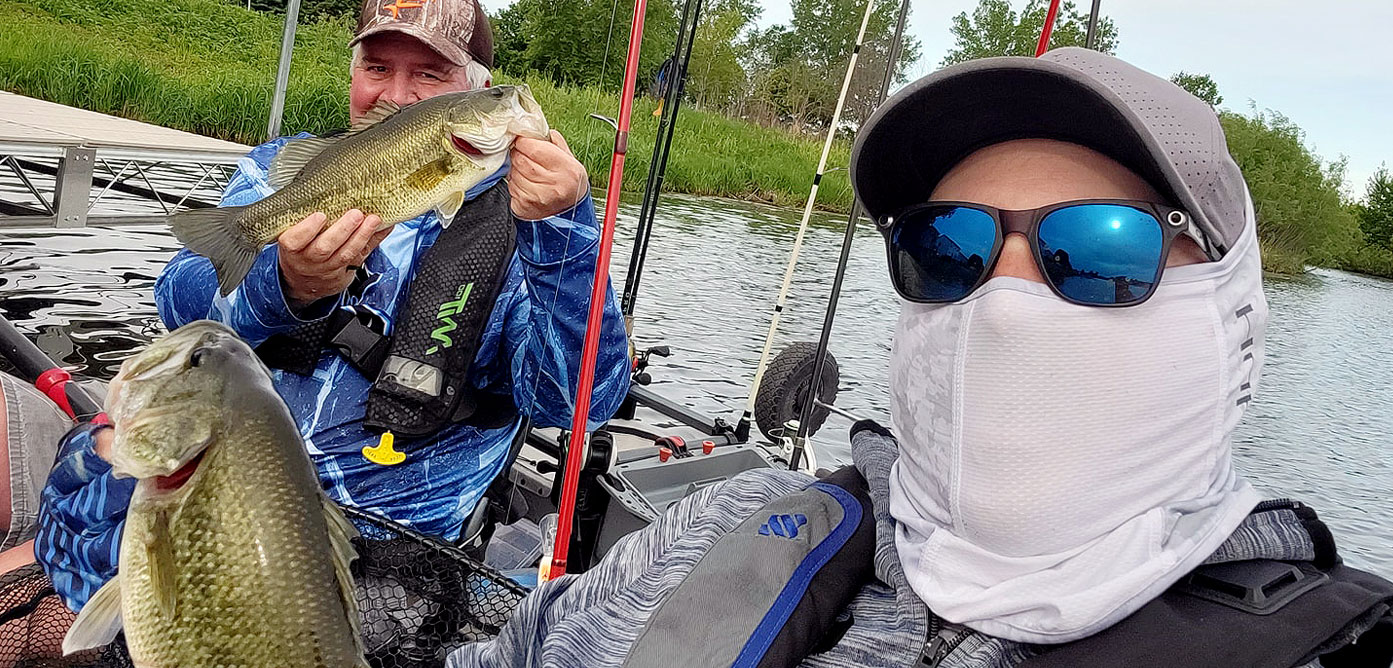
Sunrise Lake in Blaine is a convenient north-metro option for kayak anglers seeking a quieter alternative to the area’s larger recreational lakes. The lake supports largemouth bass, northern pike and panfish, with shoreline cover and aquatic vegetation providing productive areas throughout the open-water season.
Because Sunrise Lake is relatively compact, kayak anglers can explore a large portion of it during a short trip. Early mornings and evenings are especially productive times to work shallow cover before increased activity and bright sunlight push bass into shade or deeper vegetation.
Best areas to fish
- Docks and shaded shoreline cover
- Inside weed edges during spring
- Outside vegetation lines during summer
- Isolated patches of healthy grass
- Shoreline points and small pockets
- Windblown banks holding baitfish
Kayak-fishing considerations
Lakeside Commons Park provides public carry-in access near the boathouse. There is no public trailered boat launch, and only electric motors are allowed on the lake. These restrictions help create a kayak-friendly environment with less high-speed boat traffic than many metro lakes. City of Blaine: Sunrise Lake access rules
Natural-colored plastics, swim jigs, spinnerbaits and weedless swimbaits are good choices for covering water. When bass are holding beneath docks or tight to cover, try a wacky-rigged stick worm or Texas-rigged plastic.
Parking permits are required at Lakeside Commons Park during the beach season. Blaine residents can park free with proof of residency, while nonresidents must purchase a daily or seasonal permit. Lakeside Commons Park and Beach
Best for: North-metro kayak anglers, short morning trips and fishing with minimal motorboat traffic.
Bryant Lake
Bryant Lake in Eden Prairie is a clear, shallow 178-acre lake that provides a convenient bass-fishing option in the southwest metro. Its manageable size, public access and extensive aquatic vegetation make it particularly well suited to kayak fishing.
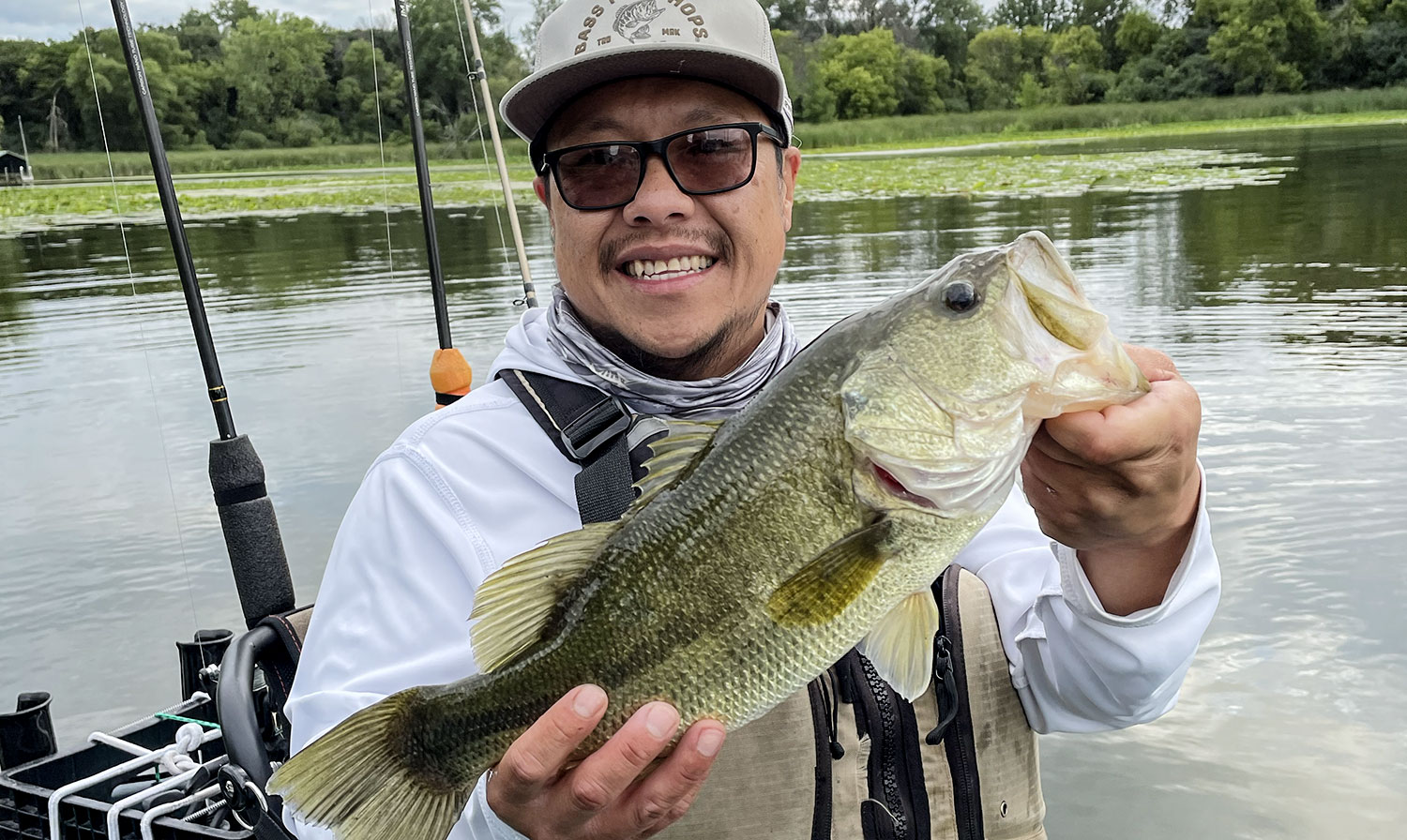
The Minnesota DNR notes that Bryant Lake is easiest to fish during spring and fall, when shoreline vegetation is less dense. From June through September, heavy plant growth can make some areas difficult to fish—but kayak anglers equipped with weedless presentations can use that vegetation to their advantage. Minnesota DNR: Bryant Lake
Best areas to fish
- Emerging vegetation during spring
- Inside weed edges near shallow flats
- Open pockets within thick summer grass
- Outside weedlines and deeper vegetation
- Docks with nearby weeds or deeper water
- Remaining green vegetation during fall
Kayak-fishing considerations
Bryant Lake Regional Park has a public boat launch, trailer parking requires a fee paid online. Bryant Lake Regional Park
During summer, bring tackle designed for vegetation. Frogs, Texas-rigged plastics, weightless stick worms, swim jigs and weedless swimbaits can be worked through cover with fewer snags. A fish finder can help identify the outside weed edge and isolated openings in deeper vegetation.
Because the water is relatively clear, natural colors and longer casts can be effective during calm conditions. Early mornings, cloudy weather and windblown shorelines may allow anglers to fish faster with topwater lures, spinnerbaits or moving baits.
Best for: Southwest-metro anglers, short kayak trips and fishing thick vegetation on a manageable lake.
Medicine Lake
Medicine Lake provides a convenient bass-fishing option close to Minneapolis. Located in Plymouth, the lake contains largemouth bass along with northern pike, walleye, crappies and several other species. Public facilities at Clifton E. French Regional Park include parking, restrooms and a fishing pier. Minnesota DNR: Medicine Lake
Its manageable size makes Medicine Lake easier to break down than much larger lakes like Minnetonka, White Bear or Waconia. Kayak anglers can explore several habitat types without spending most of the day traveling between areas.
Best areas to fish
- Shallow vegetation near spawning areas
- Docks and developed shoreline
- Inside weed edges
- Points extending toward deeper water
- Outside vegetation lines during summer
- Windblown weed edges during fall
Kayak-fishing considerations
Medicine Lake is a strong option for short morning or evening trips. It can still experience considerable recreational use, so low-light periods are usually best for both fishing and kayak comfort.
Because northern pike are common, inspect your line frequently and consider using more durable leaders when fishing moving baits.
Best for: Convenient after-work trips and anglers learning how to locate bass on metro lakes.
Orchard Lake
Orchard Lake in Lakeville is smaller than the metro’s major destination lakes, making it an appealing choice for kayaks. The lake has a city-owned access, and the Minnesota DNR notes that surface-use restrictions apply. Anglers should review the posted rules at the access before launching. Minnesota DNR: Orchard Lake
Heavy aquatic vegetation can limit shore fishing, but that same vegetation creates excellent cover for largemouth bass and gives kayak anglers access to water that shore anglers cannot reach.
Best areas to fish
- Holes and lanes in submerged vegetation
- Inside weed edges
- Lily pads and surface vegetation
- Isolated clumps away from the main weedbed
- Shade along developed shoreline
- Deepest available vegetation during summer
Kayak-fishing considerations
Orchard Lake is well suited to short, focused trips. Because the lake is smaller, anglers can spend less time traveling and more time carefully picking apart vegetation.
Bring several weedless presentations. Frogs, Texas rigs, weightless plastics and swim jigs can cover most of the available habitat.
Best for: Kayak anglers who prefer smaller water and vegetation-oriented bass fishing.
Your Next Great Bass Trip May Be Close to Home
If you live in the Twin Cities, you don’t need to drive hours to find excellent kayak bass fishing. The Minneapolis–St. Paul metro area has productive lakes for nearly every type of angler—from quiet, electric-motor-only water to larger lakes with the potential for trophy largemouth bass. Choose a lake that matches the weather, your experience and the amount of time you have available. Launch early, concentrate on a manageable section and use your kayak to reach vegetation, shallow cover and overlooked areas that larger boats often pass by.
I asked MNKFA members on Facebook what lakes they would recomend
Tim Erickson. Closest metro lake for me is Crooked Lake in Andover.
Xyooj Txawj. Minneapolis chain is my all time favorite.
Zach Harrelson. Stieger or Wassermann.
Scott Zeleny. (North Metro) I grew up fishing Peltier, Coon, Crooked, and one of my favorite also Ham Lake.
Mike Kohler. My list would include Crooked Lake, Sunrise lake, Lake DeMontreville, Keller Lake for metro area and for north of metro, Chisago Lake and Big Marine Lake.
Mike Wilson. Stieger.
Chuck Vang. Lake Minnewashta and Lake Minnetonka
Trevor Jacobson. Not sure if considered too far West to be “Metro”, but Wasserman and Piersons hold some trophy bass. Tx rig with a creature bait, drop shot with a finesse worm, and white with red buzzbaits have been productive for me on both. Hydes out in NYA where I am has also produced several 20+” bass for me in May, June and September (the algae bloom is bad in July/August, also some Monster toothies on there.)
Tsimnuj Hawj. Phalen is pretty good. I haven’t spent a whole ton of time fishing it, despite growing up near it, but I hooked into a 5lber there before. Good deeper structures for those class of fish to thrive.
Aaron Elliott. Big Bird….ugh I mean Elmo…Lake Elmo 🙂
I’ll continue adding lakes, fishing reports and videos as I explore more metro-area water. Have a favorite Twin Cities bass lake that belongs in this guide? Contact MNKFA and tell me why it should be included. We’ll work together to get your lake added.
Ready to meet other Minnesota kayak anglers? Join the Minnesota Kayak Fishing Association for free and become part of the state’s largest kayak-fishing community.

Related Posts