Advantages of kayaks for fishing versus other watercraft
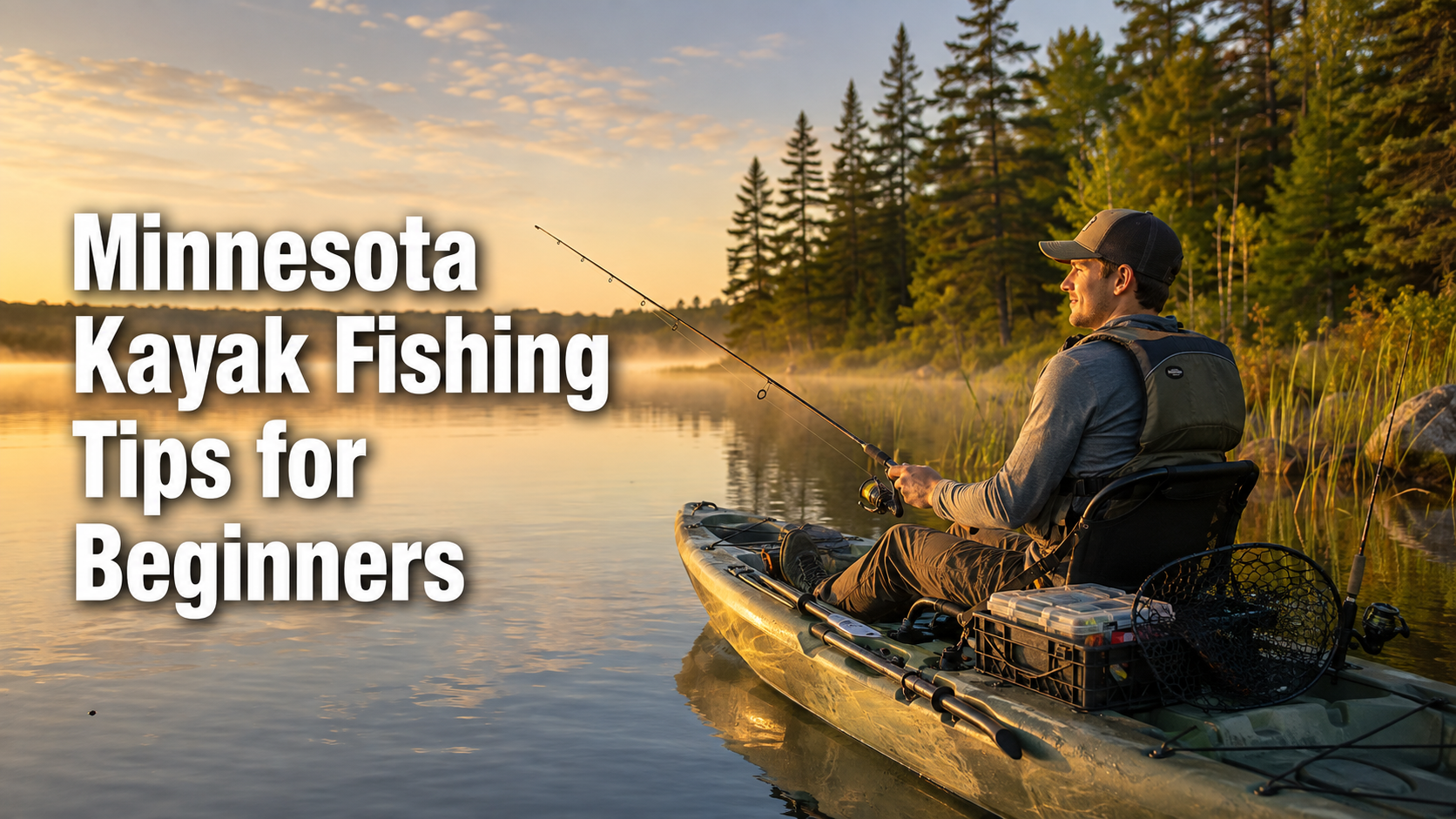
Minnesota’s thousands of lakes, rivers and streams make it an incredible place to begin kayak fishing. It’s where I made my transition from fishing with my Dad and Brothers in a 14 foot aluminum boat, to an 18 foot fish and ski style boat with my son, wife and friends…to the wonderful world of Minnesota kayak fishing! You don’t need an expensive kayak or a collection of advanced electronics to get started. Focus on safety, simple equipment and easy-to-fish water while you build confidence.
1. Choose a Stable Fishing Kayak
Stability is more important than speed when you’re learning, if you don’t feel safe, you’ll leave the sport and miss the FUN! Look for a sit-on-top kayak with a comfortable seat, enough capacity for you and your equipment, and room to organize a few essential items. A wider kayak will usually feel more stable, but it may also be slower and harder to paddle, especially if you are on small, fast moving rivers or streams. If possible, test several kayaks on the water before buying.
Pedal-drive kayaks are popular with anglers because they let you move while keeping your hands free to fish. Paddle kayaks are generally lighter, less expensive and easier to transport.
2. Always Wear a Life Jacket
Wear a properly fitted personal flotation device every time you’re on the water. Choose one designed for paddling or kayak fishing so it remains comfortable around your seat. Cold water is especially dangerous in Minnesota. A warm spring afternoon does not necessarily mean the water is warm enough for safe swimming. Dress for the water temperature, avoid taking unnecessary risks and stay close to shore during early-season outings. Learn more about Kayak Fishing Life Jackets here.
3. Start on Small, Protected Water
Your first trips should be on smaller lakes, sheltered bays or slow-moving sections of a river. Avoid large bodies of water, strong current and busy boating areas until you’re comfortable controlling your kayak.
Look for a public access with:
- Protected water near the launch
- Minimal power boat traffic
- Plenty of shoreline cover
- Easy parking and launching
- Multiple places to get off the water
A calm morning is usually more comfortable for a beginner than a windy afternoon.
4. Check the Weather—Especially the Wind
Wind affects kayaks much more than larger boats. Even moderate wind can make paddling, controlling your position and returning to the launch difficult. Check the hourly forecast before leaving. Pay attention to wind speed, wind direction, thunderstorms and changing temperatures. Plan your route so you aren’t forced to paddle a long distance against the wind at the end of the day.
If conditions look questionable, choose a smaller lake.
5. Keep Your Fishing Gear Simple
Bringing too much equipment makes a kayak crowded and unstable. For your first few trips, carry one or two rods and a small tackle box with versatile lures.
A basic Minnesota lure selection might include:
- Wacky-rigged or Texas-rigged plastic worms
- Spinnerbaits
- Small crankbaits
- Paddle-tail swimbaits
- Topwater lures
- Jigs with plastic trailers
Also bring fishing pliers, line cutters and a net that can be reached easily from your seat.
6. Target Easy-to-Identify Cover
You don’t need advanced electronics to find fish. Minnesota lakes offer plenty of visible fish-holding cover.
Good areas for beginners to fish include:
- Emerging weeds in shallow bays
- Outside weed edges
- Lily pads
- Fallen trees
- Docks
- Rocky shorelines
- Points
- Creek mouths and narrows
Cast along the edge of the cover instead of directly into the thickest vegetation. This reduces snags and keeps your lure in productive water longer.
7. Learn to Control Your Position
Boat control is one of the biggest challenges in kayak fishing. Wind can push you away from your target before you finish a cast. Practice paddling, turning and stopping before focusing entirely on fishing. Learn how far your kayak continues moving after you stop paddling or pedaling.
A small anchor, stake-out pole or drift sock can help, but each should be used carefully. Never anchor in strong current, and keep the attachment point and release system within easy reach if you need to break away from the anchor quickly.
8. Secure Important Equipment
Assume that anything not secured could eventually fall into the water. Use rod leashes, paddle clips or short tethers for important equipment. Keep your phone in a waterproof case and attach it to your life jacket or kayak. Store keys and other valuables in a waterproof container.
Avoid creating a tangled collection of cords around your seat. Tethers should be short, organized and positioned where they won’t interfere with fishing or exiting the kayak.
9. Practice Landing Fish
Landing a fish from a kayak feels different from landing one from shore or a larger boat. The fish may pull the kayak, swim underneath it or become tangled near the pedal drive. Keep the rod tip away from the front of the kayak and guide the fish toward the side where your net is located. A short-handled floating net is easier to manage in limited space.
For northern pike, use long-handled pliers and be careful around their teeth. If the hooks are difficult to remove, keep the fish in the water while you regain control.
10. Stay Close to the Launch
Long-distance trips can wait. During your first outings, fish relatively close to the launch and gradually expand your range as your skills improve. Things you may not realize as you get too far away from your launch point, wind, waves and fatigue can make the trip back much harder than the trip out. FLOAT PLAN: Tell someone where you’re fishing and when you expect to return. Bring a charged phone, drinking water and a small first-aid kit.
11. Make Yourself Visible
Kayaks can be difficult for boat operators to see, especially in waves, low light or busy areas. Wear bright clothing, use a visibility flag and add navigation lights when conditions require them. Avoid stopping in narrow navigation channels and never assume that another boat operator has seen you.
Early mornings may provide excellent fishing, but reduced visibility makes extra precautions important.
12. Know the Current Minnesota Fishing Regulations
Before fishing, review the current Minnesota fishing regulations for the lake, river and species you plan to target. Some waters have special seasons, size restrictions, possession limits or invasive-species requirements.
Regulations can change, so check the Minnesota Department of Natural Resources before each season and whenever you visit unfamiliar water.
13. Clean, Drain and Dry Your Equipment
Aquatic invasive species can spread between Minnesota lakes on kayaks, paddles, anchors, carts and fishing equipment.
After leaving the water:
- Remove visible plants and animals
- Drain water from the kayak and equipment
- Inspect the rudder, pedal drive and anchor
- Clean and dry your gear before visiting another lake
Pay particular attention to small spaces where vegetation or water can become trapped.
14. Build Your Skills One Trip at a Time
Your first goal shouldn’t be catching the biggest fish or covering the most water. Concentrate on launching safely, controlling the kayak, organizing equipment and returning comfortably.
Short trips are ideal for learning. Each outing will help you discover which equipment you actually use and how you want your kayak arranged.
A Simple Beginner Setup
You can start Minnesota kayak fishing with a relatively small amount of equipment:
- Stable kayak
- Properly fitted life jacket
- Paddle and spare-paddle plan
- One or two fishing rods
- Small tackle box
- Fishing pliers and line cutters
- Landing net
- Waterproof phone case
- Drinking water
- First-aid kit
- Visibility flag
- Current fishing license
Add electronics, rod holders, storage crates and other accessories only after you understand how you like to fish.
Start Simple and Enjoy the Water
Kayak fishing gives you a quiet, affordable and exciting way to explore Minnesota’s waters. Start with a stable kayak, protected water and a small selection of tackle. Watch the weather, wear your life jacket and focus on learning one new skill during every trip.
The more comfortable you become controlling and organizing your kayak, the more time you’ll spend fishing—and the more places you’ll be able to explore.
Get in the Group!
The MNKFA Facebook group is active, helpful and friendly! Get help and get your questions answered. Join others on group outings and events. Learn about tournaments and more, join now.

Related Posts