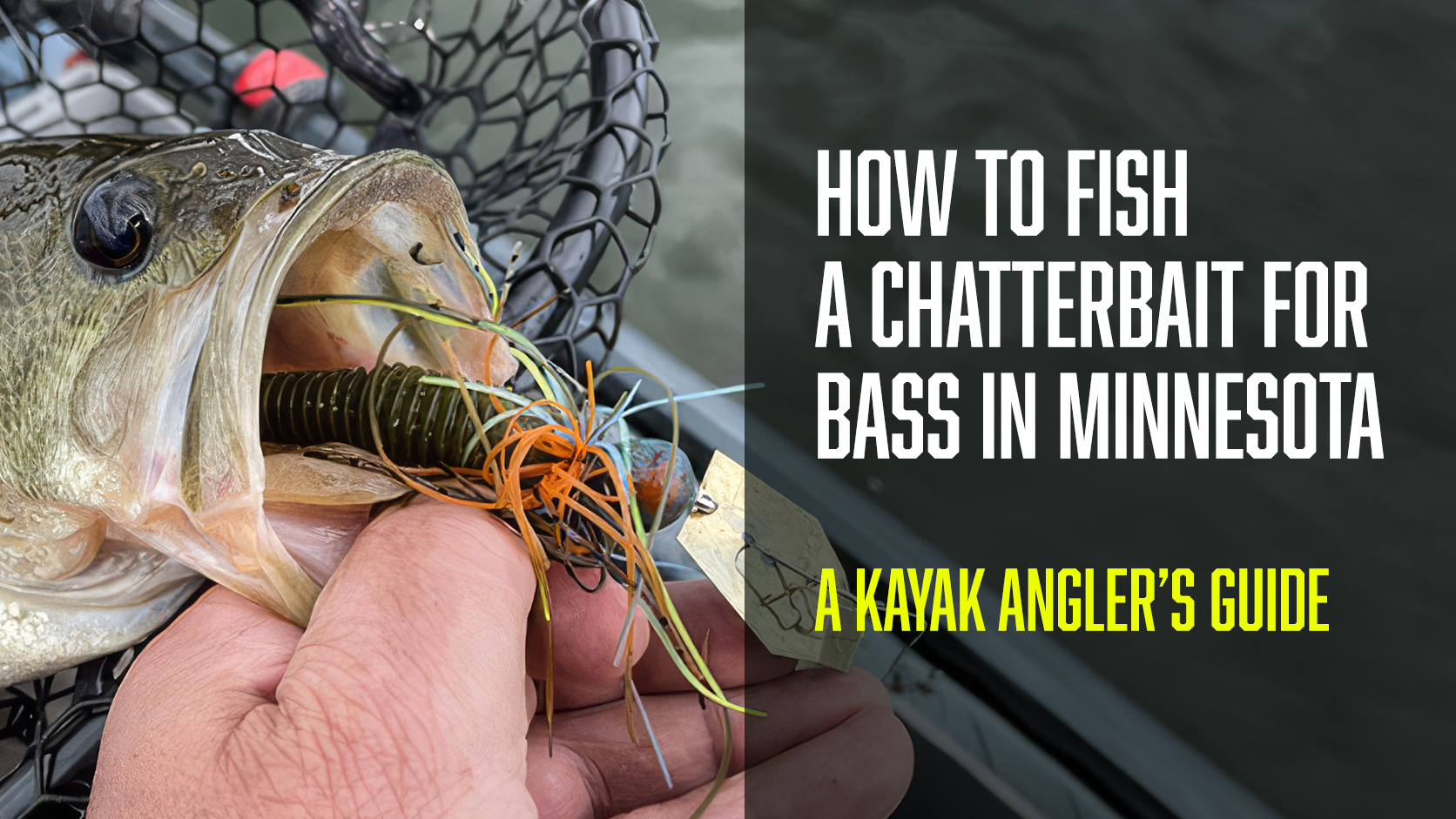
A ChatterBait might be one of the most effective and versatile bass lures you can…
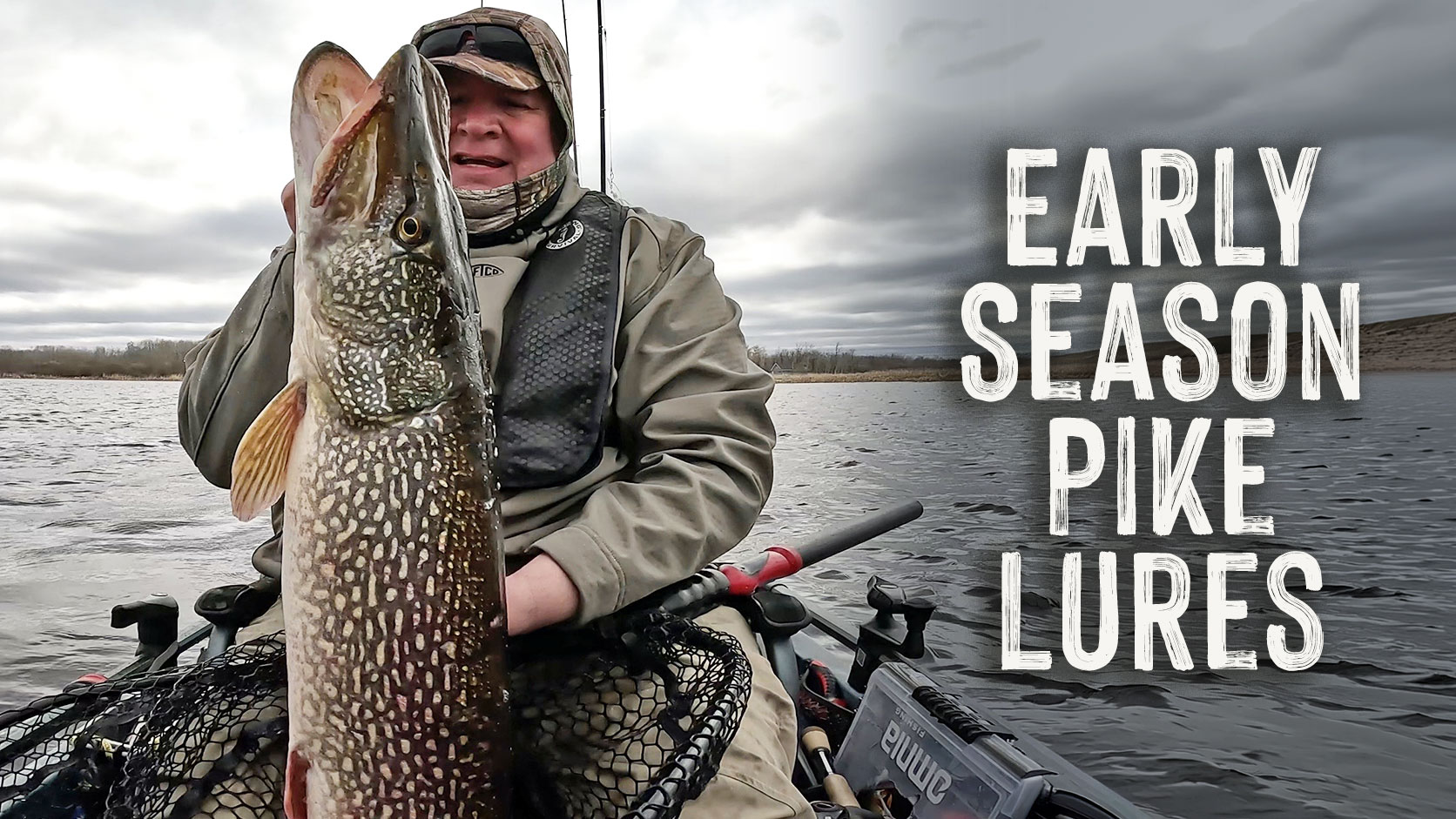
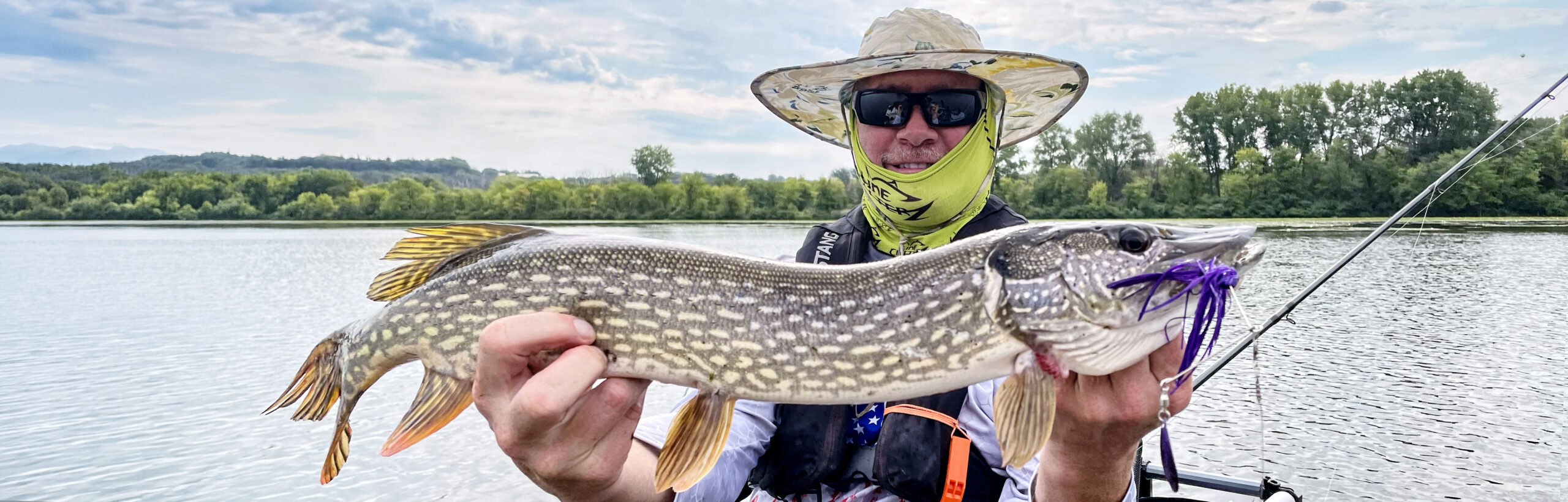
Spinnerbaits are a solid option for northern pike in early season or on the MNKFA Lake of the Woods’ Big Pike Adventure after ice-out. Their flash, vibration, and ability to work around shallow cover make them useful for searching for feeding fish. The biggest factor is presentation. Cold spring water often calls for a slow retrieve, even when you’re targeting large pike.
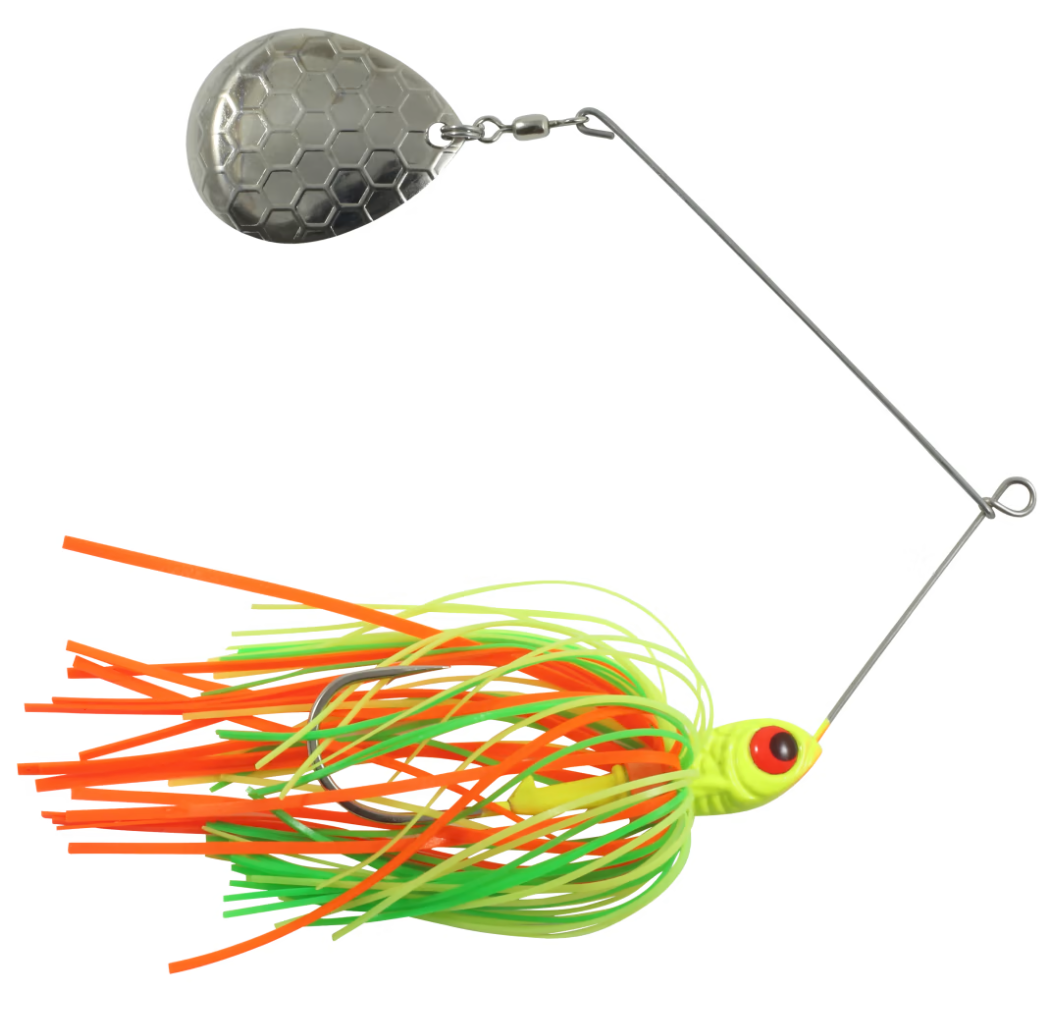 Choosing a Size and Color
A ½-ounce lure is a practical starting point for shallow bays. A ¾-ounce Magnum provides another option when you want a larger profile, need longer casts, or are fishing slightly deeper water. Big pike can take smaller spinnerbaits, so choose the weight that lets you maintain the right depth and speed.
White/chartreuse and firetiger are useful colors to carry for stained water. White and natural baitfish patterns offer alternatives when visibility improves. Treat color as something to experiment with rather than a fixed rule.
Where to Cast
Search sheltered bays, remaining reed beds, shallow flats, and areas near spawning habitat. Pay attention to changes in water temperature and clarity, along with any signs of baitfish.
Start shallow, but check nearby channel edges and the first drop into deeper water. Large pike won’t necessarily stay in the back of a bay throughout the day.
How to Retrieve It
Begin with a slow, steady retrieve that keeps the blades turning and the lure above vegetation or bottom debris. Adjust your rod angle and retrieve speed to maintain that depth.
If fish follow without striking, experiment with a brief hesitation or a small change in speed. Use a steel or titanium leader to protect against bite-offs, and inspect your tackle after each fish.
 When to Change Lures
Spinnerbaits are useful for covering water, but they won’t be the best presentation every day. Immediately after ice-out or following a cold front, a suspending jerkbait or slowly worked soft plastic may give reluctant fish more time to respond.
Reed Runners deserve a place in an early-season pike tackle box. Pair them with a slower alternative, and adjust your approach to the conditions and the fish’s response.
Learn more about Minnesota Kayak Pike Fishing

Related Posts